
The Defigo Access Solution might control access, but can it really be considered an Access Control System? Read on to learn more about what makes up an Access Control System, and how Defigo fits into the landscape.

The access control space is huge. For building owners and board members evaluating their security and access management, protecting business assets and premises is a top priority. But it can be challenging for them to know exactly what is what in the access control space. One thing we see a number of people asking when researching access control is this: Is Defigo an access control system?
To answer this, it’s important to have an understanding of what access control is and what features are required to be classed as access control.
Key Takeaways
Physical access control in modern buildings is about regulating who can pass through doors, gates, elevators, and into garages or common areas. This includes the time of access, duration, and entry method. Physical access control focuses on securing properties, residents, and employees against unauthorized entry by restricting access to only authorized individuals and providing access based on permissions.
Mechanical vs. Electronic Access
Traditional access control is mechanical: keys and cylinders that are simple to use but vulnerable to copying, loss, and a lack of tracking. Electronic access control was introduced in the 80s and 90s with card readers and PIN codes to combat these security issues. Today, systems dominated by RFID fobs, mobile access, and cloud-based solutions prevail.
Modern access control solutions connect various devices, door hardware, and systems, supporting integration across multiple sites and with other security solutions for unified management.
A complete modern system consists of several components working in tandem, such as:
For an access control system to be an access control system, it also requires a number of features such as audit trails (who was granted access and where), backup power (to maintain security during power failures), integration with fire alarms to automatically unlock doors for safe evacuation, a request to exit device and more. These systems require users to authenticate through credentials, restrict access to only those with proper permissions, and provide access based on predefined rules.
Modern access control systems typically include management software that allows administrators to set schedules, assign permissions, and track entry logs.
Cloud-based access control systems
Cloud-based access control systems are managed remotely with data stored in the cloud, allowing for easier scalability and flexibility compared to on-premise systems, which are managed in-house and store data on-site. Key benefits of cloud-based access control include enhanced security, real-time monitoring, the ability to integrate with other security systems, and real-time updates to permissions. Cloud-based systems often feature automatic updates and strong cybersecurity measures to stay secure against evolving threats. Modern solutions are designed to seamlessly integrate with existing hardware and software, allowing organizations to leverage current investments while enhancing security capabilities.
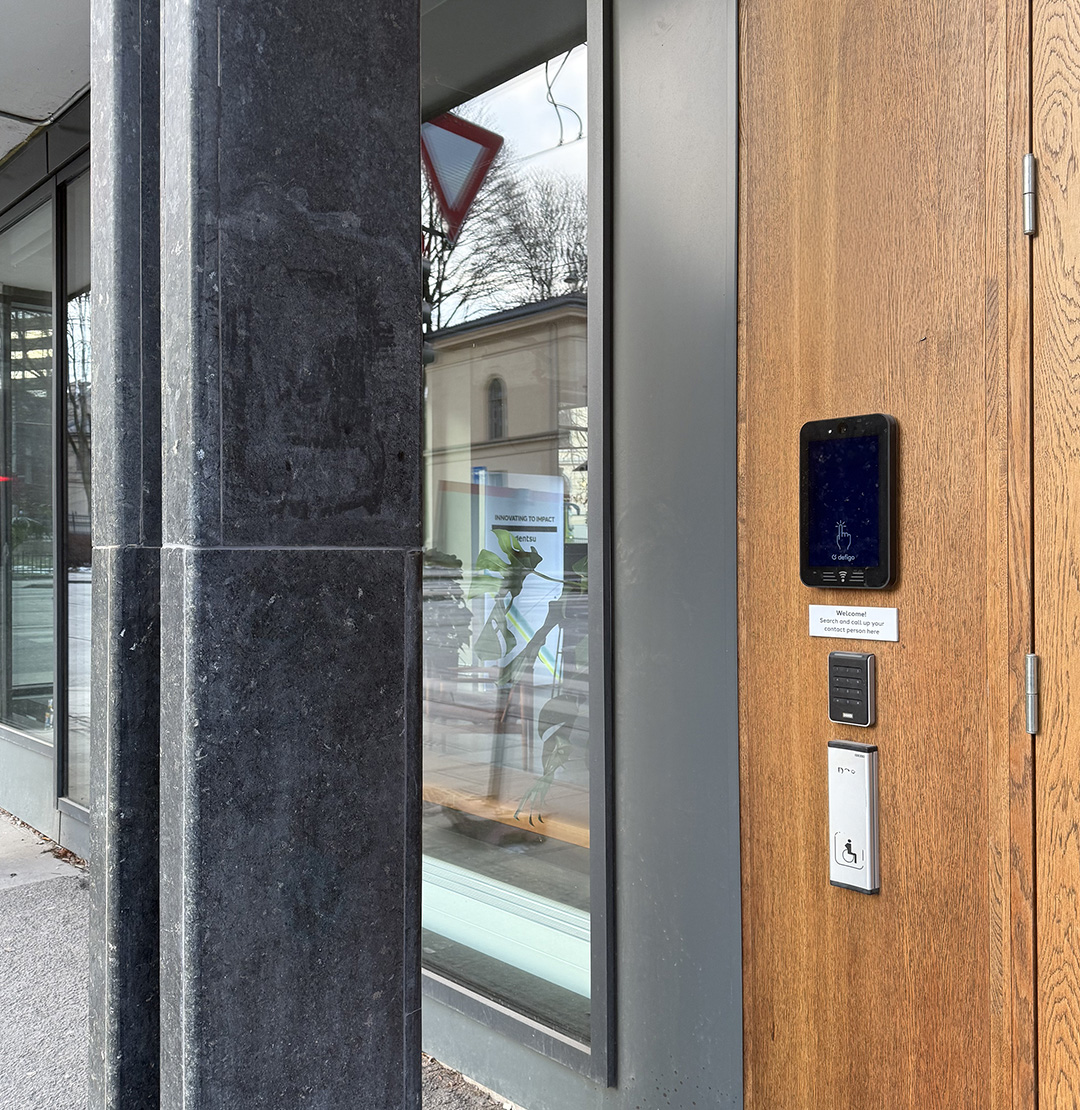
Defigo is not a “full-stack” access control system in the traditional sense that replaces every lock, reader, and controller from providers like ASSA ABLOY or Salto. Defigo is an intercom with a cloud-based administration platform that complements and strengthens existing access control systems. It connects with your existing door hardware and hardware components, supporting integration with current security infrastructure. It does not feature such things as integrations with fire alarms or a request to exit device, but does allow: visitors to find and call the person they are looking for in the building directly, tenants to access the building using their smart phone, and building managers to administrate access remotely. Defigo helps provide access to authorized users and restricts access to unauthorized individuals, ensuring only permitted users can enter the building.
How Defigo Fits In
Defigo acts as a digital layer on top of your existing access control infrastructure:
Typical Architecture
In practice, the building can then retain its existing locks, readers and emergency security setup. The Defigo Display Unit, meanwhile, is installed at the main entrance or individual office entrances, and manages the visitors, door release, and integrations with current systems. Defigo enables centralized management of access across multiple sites and offices, allowing property managers to monitor and control entry permissions from a single platform.
Access control generally provides four main benefits: Security, Overview, Flexibility, and Documentation. Here’s how Defigo reinforces each:
For buyers and property managers, systematic planning is key:
Defigo is the right choice for housing associations moving from physical keys to mobile access/RFID and commercial buildings needing video intercoms and cloud admin on top of existing access systems.
Contact us for a review of your existing setup and a proposal on how Defigo can be integrated, connecting seamlessly with your existing systems and hardware, without a total system replacement.
Talk to our Sales Team to get a Demo of the Defigo System.


